• Published on

    The Art of Capturing Emotion in Live Music Photography!

    Image description
     ​Capturing the raw emotion of a live performance is at the heart of great music photography. It’s not just about freezing a moment in time but about immortalizing the feelings, the energy, and the passion that radiates from the stage. As a live music photographer, it’s important to tune into the energy of the musicians and the crowd, letting the rhythm of the music guide you to the perfect shot. I’ve found that the key to capturing emotion lies in observing subtle details, such as facial expressions, body language, and the dynamic interplay between band members.

    Shooting Close-Ups of Facial Expressions

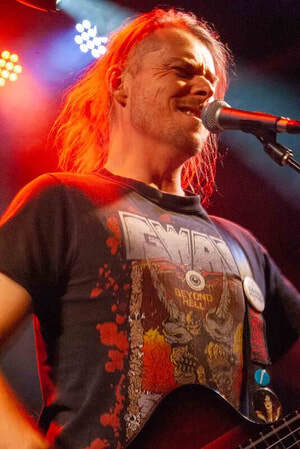
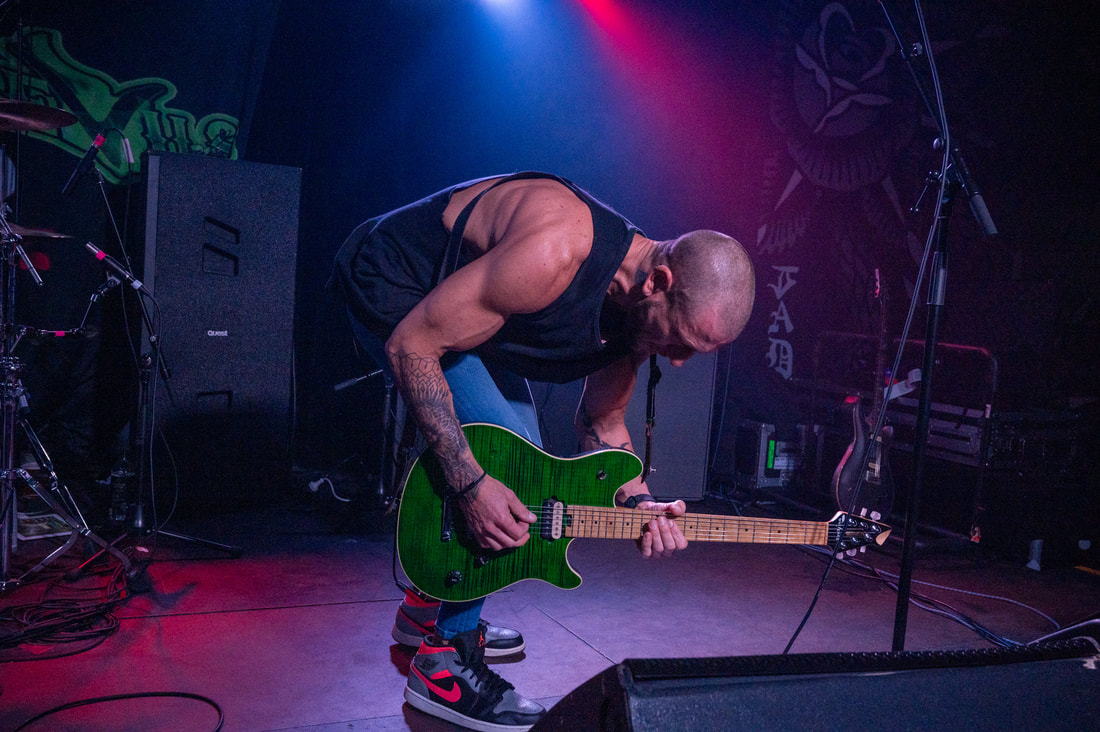
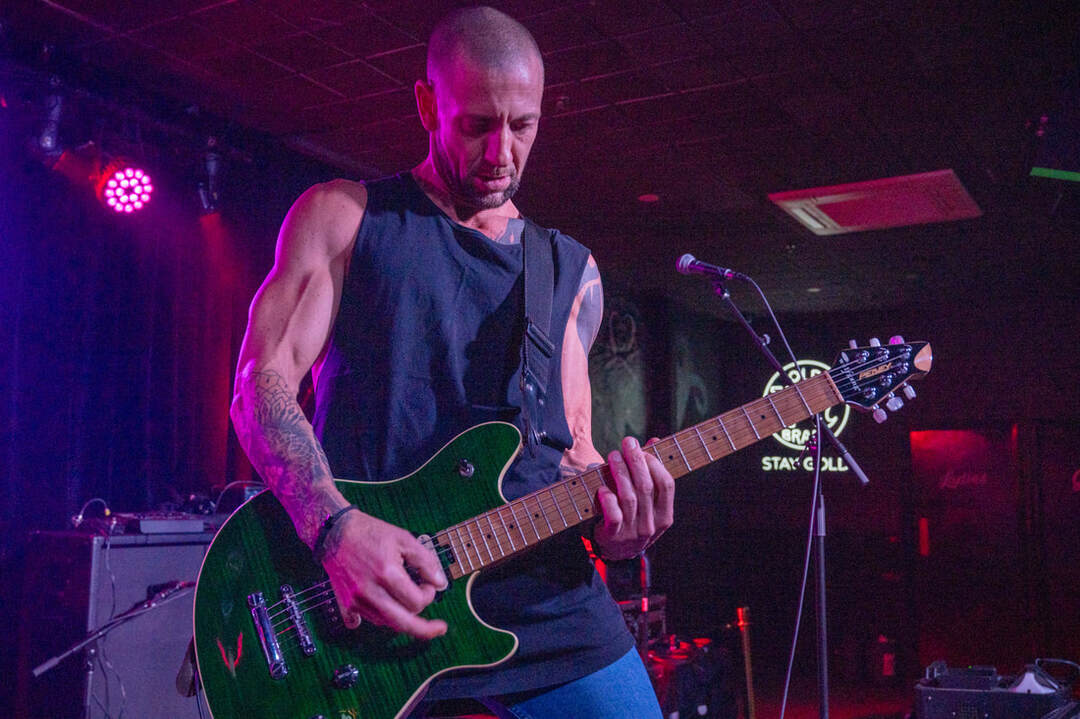
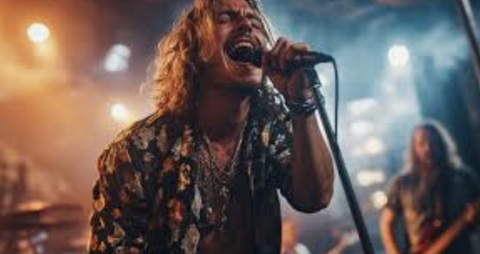
    Facial expressions are often the most immediate window into a performer’s emotional state. Whether it’s the intensity of a guitarist lost in a solo, a vocalist belting out a powerful lyric, or a drummer locked into the groove, these moments tell a story of passion, vulnerability, or pure joy. To capture these expressions, I always try to position myself close to the stage or use a lens that allows for tight framing. My Nikon Z6ii with a 24-70mm lens offers versatility, letting me zoom in on a musician’s face without losing the energy of the environment.

    I follow the performer’s movements, waiting for that split second when they connect deeply with the music. Sometimes, it’s in the furrow of their brow, the closing of their eyes, or the tension in their lips. These are the moments that resonate most with viewers because they reveal the true intensity of the performance.

    Highlighting Body Language

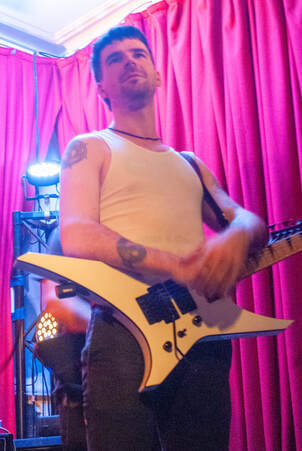
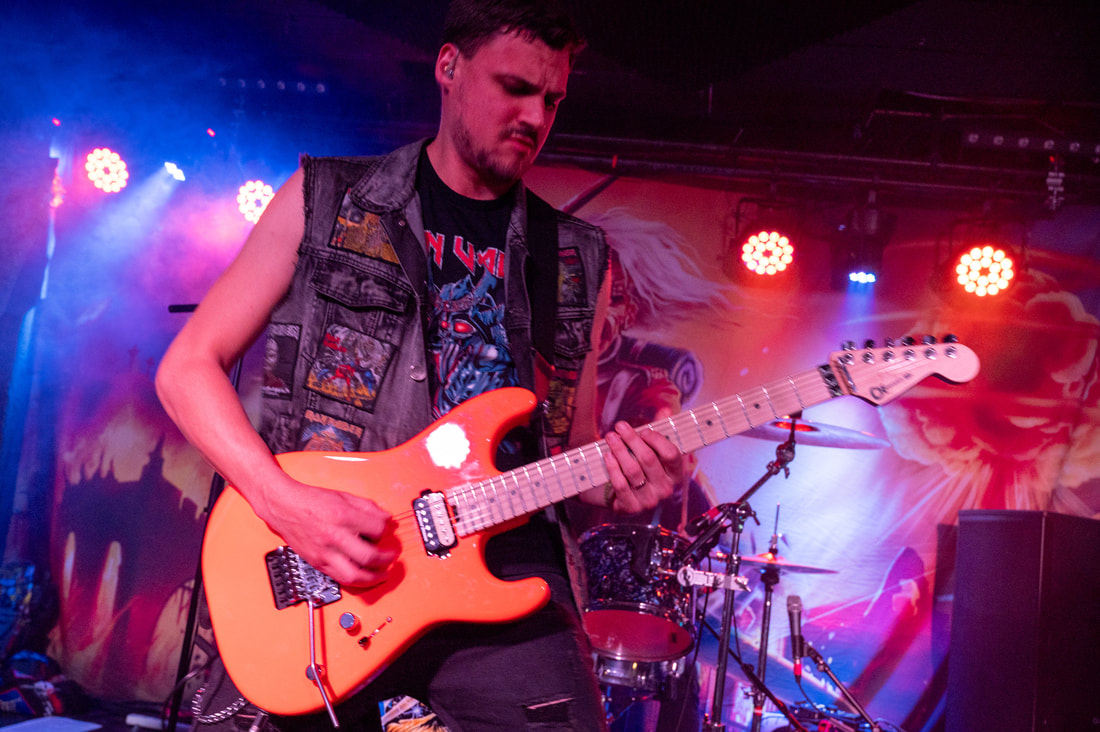
    While facial expressions are essential, body language can often tell an equally powerful story. Whether it’s the leap of a guitarist in mid-air, a drummer hunched over his kit, or the stance of a lead singer owning the stage, body language communicates confidence, vulnerability, and everything in between. Capturing these movements requires anticipating the performer’s next move, which comes from being in sync with the rhythm of the music.

    When I shoot live music, I often rely on my gut instinct. If I feel that a particularly energetic part of the song is approaching, I’ll position myself in a spot where I can capture the full movement. My experience shooting different genres of music has taught me that every genre has its unique body languagewhether it’s the frenetic energy of a punk show or the slow sway of a jazz performance. Capturing the Energy Between Band Members

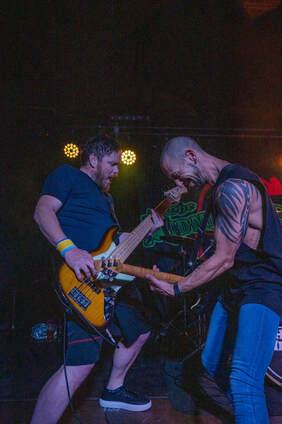
    One of the most dynamic aspects of live performance is the interaction between band members. Musicians often communicate through eye contact, gestures, or shared smiles, and capturing these moments of connection can add depth to a photo. These interactions showcase the camaraderie and chemistry that fuel the performance. I’ve found that these moments often happen spontaneously, so it’s important to always stay alert.

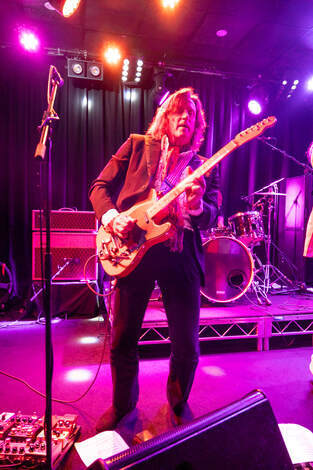
    For example, during the Ecos Pink Floyd show at the Corner Hotel, I captured a shot that became one of my portfolio favourites: "Mr Hand." The way the light hit the singer as they gestured towards the guitarist created a moment of magic. The shot wasn't planned, but it was the result of staying in tune with the energy of the performance and being ready to seize the moment.

    Trusting My Instincts

    In live music photography, there’s no formula for capturing emotion. It requires a deep connection with the music and the performers, as well as the ability to trust your instincts. I often let the music dictate where I position myself in the venue—sometimes that means staying close to the stage, while other times I’ll move around to find the best angle or lighting.

    Ultimately, the art of capturing emotion is about being present in the moment. By following the music and trusting my gut, I’m able to capture shots that convey not just the visuals of the performance, but the soul of the experience.
  • Published on

    The Beginning: How It All Started!

    ​My journey into music photography was born from a deep passion for both music and photography. Each played a significant role in my life, but it wasn’t until I began combining them that I truly found my creative calling. Music has always been an emotional experience for me—whether it’s a concert, a band rehearsal, or just listening to an album at home, music has the power to take you somewhere else. Photography, on the other hand, has always been my way of capturing moments and telling stories. When I discovered I could bring these two worlds together, I was hooked.

    Early Experiences with the Nikon D3000:

    My first real experience in music photography happened when I brought my Nikon D3000 to shoot Bentham’s Head at The Gasometer Hotel. The D3000 was an entry-level DSLR, and I was still very much a beginner, trying to figure out how to work with the camera in a fast-paced environment like a live gig. The lighting was dim and moody, which made things difficult, but the challenge was also what excited me. It was my first time trying to capture the energy and atmosphere of a live performance, and I wanted to do it justice.

    I remember feeling both nervous and excited as I snapped away, trying to keep up with the dynamic nature of the show. My settings weren’t perfect, and I didn’t have much control over the lighting, but the experience taught me a lot about the unpredictability of concert photography. I learned quickly that live shows were not like controlled studio environments. Things happen in real-time, and I needed to be ready to capture those fleeting, special moments.

    While the Nikon D3000 was a great introduction into the world of DSLR cameras, I soon realized its limitations when it came to live music photography. The low-light performance wasn’t great, and the autofocus struggled with fastmoving subjects on stage. But despite these challenges, my early gigs with this camera were invaluable experiences. They pushed me to think creatively and to work within the limitations of my gear. The Nikon Z6ii Upgrade

    As I became more experienced and started attending more gigs, I decided to upgrade to a Nikon Z6ii with a Nikkor 24-70mm lens. This camera brought with it a whole new level of capability, and I remember how excited I was to put it to use. My first gig with the Z6ii was a daytime show for the band Gaia. Shooting in daylight provided a completely different set of challenges compared to my earlier low-light gigs. The Z6ii’s autofocus and ability to handle various lighting conditions gave me the freedom to experiment with different compositions and angles.

    The 24-70mm lens was perfect for this kind of shoot. It allowed me to capture wide shots of the entire band while also zooming in for close-ups of individual performers. The difference in quality was immediately noticeable. The photos from that Gaia gig were sharper, more detailed, and more vibrant compared to anything I had shot before. I finally felt like I had the right tools to match my vision.

    The Emotional Connection to Live Gigs:

    Those early gigs were filled with excitement, anticipation, and a lot of learning. The adrenaline rush of being in the pit, capturing the intensity of a live show, was addictive. There’s something uniquely special about live music photography—it's unpredictable and raw, and you have to be constantly alert to capture the right moment.

    Every time I stepped into a venue, whether for a small gig or a bigger show, I felt deeply connected to the music and the performance in front of me. These gigs taught me patience, timing, and the importance of being in sync with the rhythm of the band.

    Conclusion:

    What initially drew me to music photography was a simple love for both art forms. But those early experiences, from using my Nikon D3000 at Bentham’s Head to upgrading to the Nikon Z6ii for Gaia, were what truly ignited my passion. Each gig, whether in low light or bright daylight, was a new adventure that shaped my journey. Through it all, my love for capturing the energy and emotion of live music has only grown stronger.
  • Published on

    Iconic Moments: Legendary Shots!

    Iconic music photography has the power to freeze moments that become timeless, capturing the essence of the artist or the intensity of a live performance. These images often gain legendary status due to their timing, the subjects involved, or the emotions they evoke. Below is an analysis of some of the most memorable music photographs in history and what makes them iconic:

    1. Paul Goresh’s Final Photo of John Lennon:

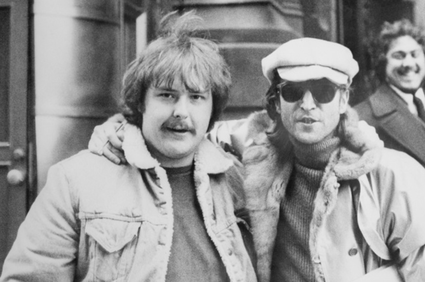
    The image uploaded of amateur photographer Paul Goresh with John Lennon highlights one of the most poignant moments in music history. Taken just before Lennon's assassination, this photograph includes Mark David Chapman, Lennon's killer. The tragic irony of this moment is what sets it apart. Goresh’s shot represents the profound tension between celebrity and the dangers of fame.

    This image has an emotional weight because it represents Lennon’s last moments, making it a symbol of loss, especially for lifelong fans like Goresh. The contrast between Lennon's warm engagement with a fan and the dark foreshadowing of Chapman's presence is chilling. The photograph immortalizes not only the artist but also an event that changed music history forever.

    2. The Beatles’ Abbey Road Album Cover (1969:)

    Perhaps one of the most imitated and recognized images in music history is the cover of Abbey Road, showing The Beatles walking across a zebra crossing. Taken by Iain Macmillan, this simple yet striking composition has become a cultural icon. Its power lies in its simplicity: no band name, no album title, just the band walking across a street.

    The photo symbolizes the end of The Beatles era, capturing their casual, confident stride. The symmetry and clarity of the composition, with the band members moving in unison, contrasts beautifully with the urban, everyday backdrop. The image itself has transcended music to become a global cultural landmark, often recreated by fans and musicians alike. 3. Jimi Hendrix at Monterey Pop Festival (1967)

    3. Jimi Hendrix at Monterey Pop Festival (1967):

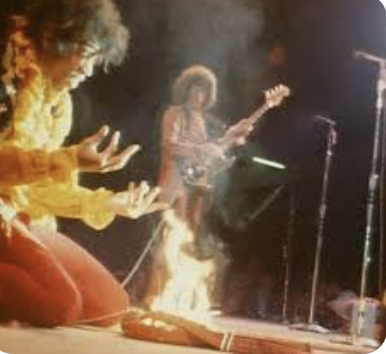
    Another iconic music photograph comes from Jimi Hendrix's performance at the Monterey Pop Festival, where he famously set his guitar on fire. The photo, captured by Ed Caraeff, shows Hendrix kneeling in front of his burning guitar, eyes closed, hands raised, as if in a moment of worship or sacrifice.

    This image is powerful for its raw emotion and symbolism. Hendrix's act of setting his guitar ablaze was more than just showmanship; it was a statement about destruction, creation, and the intensity of live performance. This photograph encapsulates the energy and spirit of 1960s rock music and Hendrix’s unique, avant-garde approach to his craft.

    4. Bob Gruen’s Photo of John Lennon in New York (1974):

    Bob Gruen’s portrait of John Lennon wearing a New York City t-shirt has become one of the most iconic images of the former Beatle. Taken on a rooftop in New York City, the photograph captures Lennon’s defiance and his deep connection with his adopted city.

    The image is iconic because it shows Lennon in a new light: no longer the Beatle, but a solo artist, an activist, and a New Yorker. The casual nature of the shot, combined with Lennon’s serious expression and the iconic shirt, makes it a lasting symbol of his post-Beatles life.

    5. The Clash at Bond’s Casino (1981):

    Pennie Smith's photograph of Paul Simonon from The Clash, smashing his bass guitar on stage, became the cover for their London Calling album. The photo captures the raw, unfiltered energy of punk rock.

    This image is iconic because it represents the rebellious spirit of the genre. The blurred motion, Simonon’s body language, and the breaking of the guitar create a visual metaphor for the anger and energy of punk. It has influenced not only music photography but also the visual identity of punk rock itself. 6. Nirvana’s Nevermind Baby (1991)

    Kirk Weddle’s photograph of a baby swimming underwater, reaching for a dollar bill on a fishhook, became the cover of Nirvana’s Nevermind. The image is iconic for its boldness and symbolism, representing the loss of innocence, the pressures of capitalism, and the rawness of Nirvana’s sound.

    This cover, with its controversial themes and the juxtaposition of innocence and greed, has influenced countless album artworks since. Its minimalism, combined with its provocative nature, speaks to the rebellious spirit of grunge and Nirvana's impact on 1990s rock culture.

    Conclusion:

    Iconic music photographs often capture more than just the artist—they capture moments in time that reflect broader cultural, social, and artistic shifts. From the emotional weight of Paul Goresh’s last photo of John Lennon to the rebellious energy of The Clash, these images have left an indelible mark on both music history and visual culture. They have influenced how we perceive artists and their legacy, transcending the music itself to become symbols of their era.
  • Published on

    My Journey into Live Music Photography: From Fan to Photographer!

    My journey into live music photography began, as many things do, with passion. Growing up, I was constantly drawn to live music, captivated by the energy of the crowd, the unpredictable nature of each performance, and the powerful connection between musicians and their fans. I didn’t know it at the time, but this fascination would eventually lead me to where I am today capturing those very moments through my lens.

    The Start: From Entertainment Management to Photographer:

    Initially, my love for music led me to Collarts, where I pursued a Bachelor's in Entertainment Management. I wanted to understand the inner workings of the industry—the business side of live music. I thought my future would be behind the scenes, managing artists or working events. But while I enjoyed learning about the industry, something didn’t quite click. I found myself wanting to be closer to the action, to immerse myself in the heart of live music rather than just manage it.

    That’s when everything changed. Shortly after I graduated, I found out that Collarts was launching a Bachelor's in Photography. It felt like a lightbulb moment—I could combine my love for live music with a creative outlet like photography. Without hesitation, I applied and was accepted. Suddenly, the pieces began falling into place.

    My First Gig: The Gasometer Hotel and Bentham’s Head:

    Armed with my camera, I set out to build my skills, and my first real gig as a photographer was at the Gasometer Hotel, shooting Bentham's Head. This was the first time I had the chance to use everything I’d learned in a live setting. It was exhilarating and nerve-wracking at the same time. I remember walking into the venue, unsure of how the night would unfold but eager to make the most of the opportunity.

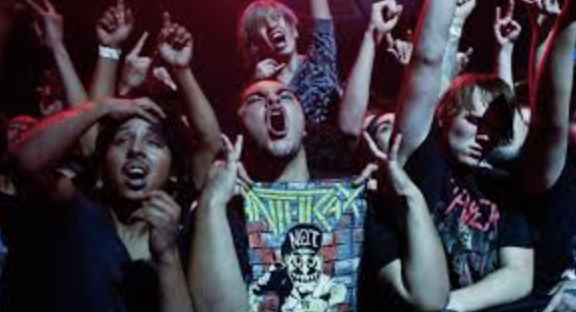
    The gig was an small heavy metal gig, and the atmosphere was perfect for testing my skills. I focused on capturing not only the performers but also the raw emotions from the audience. Every moment seemed like a potential shot, and while my technique was far from polished, I quickly realized that live music photography is about more than just pointing a camera and clicking. It's about timing, anticipation, and most importantly, feeling the music as much as photographing it. Evolution: Developing My Style

    As I continued to shoot more gigs, I started to evolve as a photographer. Early on, I was still experimenting with angles, lighting, and timing. I wasn’t yet fully confident in my own style, so I spent a lot of time watching other photographers and learning from their movements. I observed how they positioned themselves to get the best angles, how they interacted with the performers, and how they waited for just the right moment.

    Through trial and error, I found my rhythm. Over time, I transitioned from just snapping shots to telling a story through each image. One particular moment that marked a shift in my journey was during an Ecos of Pink Floyd tribute show at the Corner Hotel. The lighting hit just right, and I captured one of my best photos, now affectionately called "Mr. Hand." That shot became a defining piece in my portfolio. I have also entered the photo “Mr Hand,” into a photo competition.

    Where I Am Today:

    Today, live music photography is more than just a creative outlet—it’s a way for me to connect with the music I love and share it with others. From those first shaky shots at the Gasometer Hotel to developing my own unique style, the journey has been nothing short of incredible. Live music photography is now my business and it is called – Kaz-Marie Photography and I cannot still believe it!

    Looking forward, I’m excited for the next gig, the next band, and the next opportunity to capture that perfect moment when music and emotion collide.
  • Published on

    Live Music Photography, Having The Right Gear!

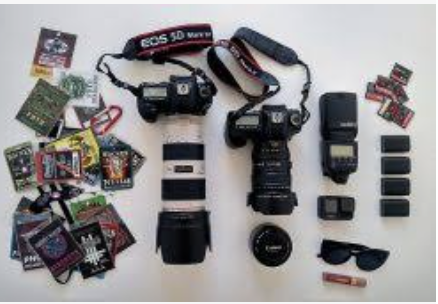
    ​When it comes to live music photography, having the right gear ensures you're prepared to capture dynamic moments in fast-paced, low-light environments. Here's a breakdown of the essential equipment I rely on:

    1. Camera: Nikon Z6ii The Nikon Z6ii is my go-to camera for live music photography. Its 24.5MP full-frame sensor excels in low-light conditions, which is crucial for capturing live gigs where lighting can be unpredictable. The camera’s dual EXPEED 6 image processors ensure I can shoot at high speeds (up to 14 fps), which helps freeze motion during high-energy performances. It also boasts excellent ISO performance, reducing noise even when I push it to higher levels, allowing me to maintain sharpness and clarity.

    Another great feature of the Z6ii is its in-body image stabilization (IBIS), which helps when shooting handheld in low-light conditions or when I want to slow down the shutter speed to capture more light without worrying about camera shake.

    2. Lens: Nikkor 24-70mm f/2.8 My lens of choice is the Nikkor 24-70mm f/2.8. It's incredibly versatile, offering me a good range for both wide-angle shots of the entire stage and zoomed-in, intimate portraits of individual performers. The constant f/2.8 aperture allows for fast shutter speeds and lets in plenty of light, which is critical in dimly lit venues. The focal length range is ideal for moving around the venue, enabling me to adapt quickly from close-ups to wider shots without switching lenses. This versatility is a huge advantage when you're on the go and need to be reactive to the action on stage.

    3. Earplugs Live music is loud, and being exposed to such high decibel levels for extended periods can damage your hearing. Especially when you are next to the speakers, when you are in the photo pit. I always carry a pair of musician-grade earplugs. These protect my ears without muffling the sound too much, allowing me to still enjoy and feel the energy of the music.

    4. Spare Batteries A single battery won't cut it, especially during long gigs. The Nikon Z6ii can chew through batteries faster when shooting continuously at high frames per second or recording video. Having at least two or three spare batteries on hand ensures I don’t miss a moment due to a drained battery.

    5. Spare SD Cards It's easy to underestimate how much storage you'll need, especially if you're shooting in RAW format, which takes up more space than JPEGs. I always carry multiple high-speed SD cards with at least 32GB of capacity. The high-speed cards ensure that I can shoot continuously without the camera buffer slowing me down, while the extra capacity ensures I have enough room to cover the entire event. 6. Camera Strap or Harness A reliable camera strap or harness is essential for comfort, especially when moving around the venue. A good strap also helps prevent strain on my neck and shoulders during long shoots.

    7. Lens Cloth and Cleaning Kit Gigs can be messy environments with dust, smoke from smoke machines, or even spilled drinks. I always carry a microfiber lens cloth and a small lens cleaning kit to ensure my lenses stay clean and smudge-free, which is critical for maintaining image quality.

    8. LED Torch Navigating dark venues or your camera bag between songs can be challenging, so I keep a small LED torch handy. It makes it easier to change settings or swap gear quickly without fumbling around in the dark.

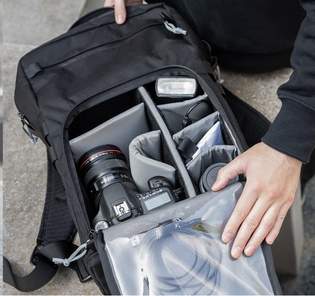
    9. Small Backpack I carry all my gear in a small but functional camera backpack that allows easy access to my camera and lenses. It needs to be compact enough not to get in the way in crowded venues but spacious enough to hold my essentials. Having compartments helps me keep things organized, so I can quickly grab what I need during the performance.

    Having a combination of reliable camera gear, practical accessories, and protective tools allows me to focus on capturing the essence of the live music experience. With this setup, I'm always ready to adapt to the challenges of the venue, lighting, and atmosphere.
  • Published on

    Do’s and Don’ts of Music Photography: Practical Advice for Aspiring Photographers!

    Image description
    Music photography can be an exhilarating experience, but it comes with unique challenges. Whether you're shooting at intimate gigs or massive festivals, these practical tips will help you navigate common pitfalls and elevate your skills.

    Do’s!
    1. Respect Crowd Etiquette:
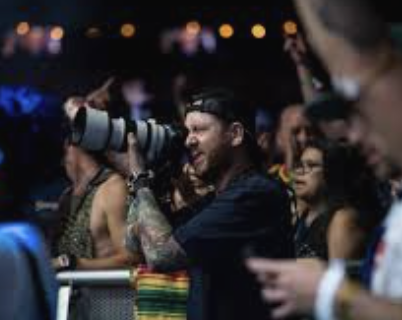
    One of the key aspects of live music photography is working within the audience’s space. It’s essential to respect the crowd around you while capturing your shots. Keep your movements subtle, avoid obstructing people’s view for extended periods, and try to remain as unobtrusive as possible, especially during quieter moments. If you're moving through the crowd to get different angles, make sure to do so with politeness and awareness of others’ enjoyment.

    2. Understand the Venue’s Lighting:
    Low light conditions are a standard challenge in music photography, especially in smaller venues or during atmospheric performances. To overcome this, familiarize yourself with your camera settings. Shoot in RAW format to give yourself flexibility in post-processing. Learn to adjust your ISO, aperture, and shutter speed to compensate for the low light, but avoid setting your ISO too high, as it can introduce graininess into your images. Using a fast lens (with a wide aperture, such as f/1.8 or f/2.8) can help capture more light while keeping the artist in focus.

    3. Develop Relationships with Venue Staff:
    Building good relationships with venue staff, including security and sound engineers, is invaluable. Be friendly and respectful, and always check in with them upon arrival. They can often provide useful advice on the best spots to shoot from or lighting cues. Establishing trust with the staff ensures smooth access to certain areas and fosters long-term cooperation. It also sets the right professional tone for potential future bookings.

    4. Get Familiar with the Artists:
    Before heading to a gig, research the band or artist. Understanding their music and style will help you anticipate key moments during the performance. Knowing when a guitarist is likely to pull off a big solo or when the vocalist tends to move dramatically can make a significant difference in your ability to capture the perfect shot. It also helps build rapport with the musicians, who will appreciate your understanding of their work.

    5. Move Around for Dynamic Shots:
    While it’s tempting to plant yourself in one spot, moving around the venue can provide you with a variety of angles and perspectives. Experiment with wide shots to capture the entire band and crowd energy, as well as close-ups of individual performers for more intimate moments. Pay attention to how lighting hits different members of the band, as certain setups can create visually stunning images. Don’ts 1. Don’t Use Flash Without Permission Using flash during a live performance is usually frowned upon, as it can be distracting to both the performers and the audience. Some artists and venues outright ban it. Even if it’s allowed, it often disrupts the atmosphere that the stage lighting creates. Instead, use the available light creatively and rely on your camera’s sensitivity to low light.

    2. Don’t Block the Stage or Audience:
    It can be easy to get so caught up in getting the perfect shot that you unintentionally block the stage or audience. Always be mindful of where you’re standing. Stay out of the way of the performers and avoid obstructing the view for fans who have paid to see the show. If you’re in the pit or close to the stage, try to minimize your time in any one spot, especially if you’re in front of key audience areas.

    3. Don’t Forget Ear Protection:
    Live gigs are loud, and standing near the stage can subject you to dangerously high sound levels. Invest in a good pair of earplugs that reduce noise without muffling sound quality. Over time, consistent exposure to high-decibel levels can cause hearing damage, so ear protection is vital.

    4. Don’t Neglect Post-Production:
    Post-processing is as important as the actual shoot. Don't rush the editing process; take time to fine-tune your images. Adjust brightness, contrast, and colour balance to bring out the best in your photos. However, avoid over-editing or adding filters that distort the authenticity of the image. Strive for natural results that capture the essence of the performance.

    5. Don’t Be Afraid to Take Risks:
    ​While it’s essential to get safe, well-composed shots, some of the best music photography comes from taking creative risks. Experiment with different angles, motion blur, or silhouettes. The unique, unexpected shots are often the ones that stand out in your portfolio.

    By following these practical do’s and don’ts, you’ll be well on your way to capturing striking and memorable live music photos while maintaining professionalism and respect for the performers and audience alike.