• Published on

    Melbourne: The Live Music Capital of the World!

    Image description
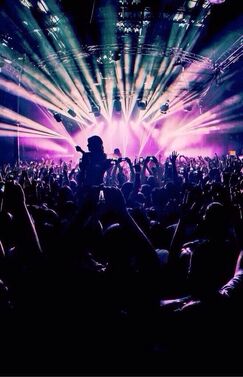
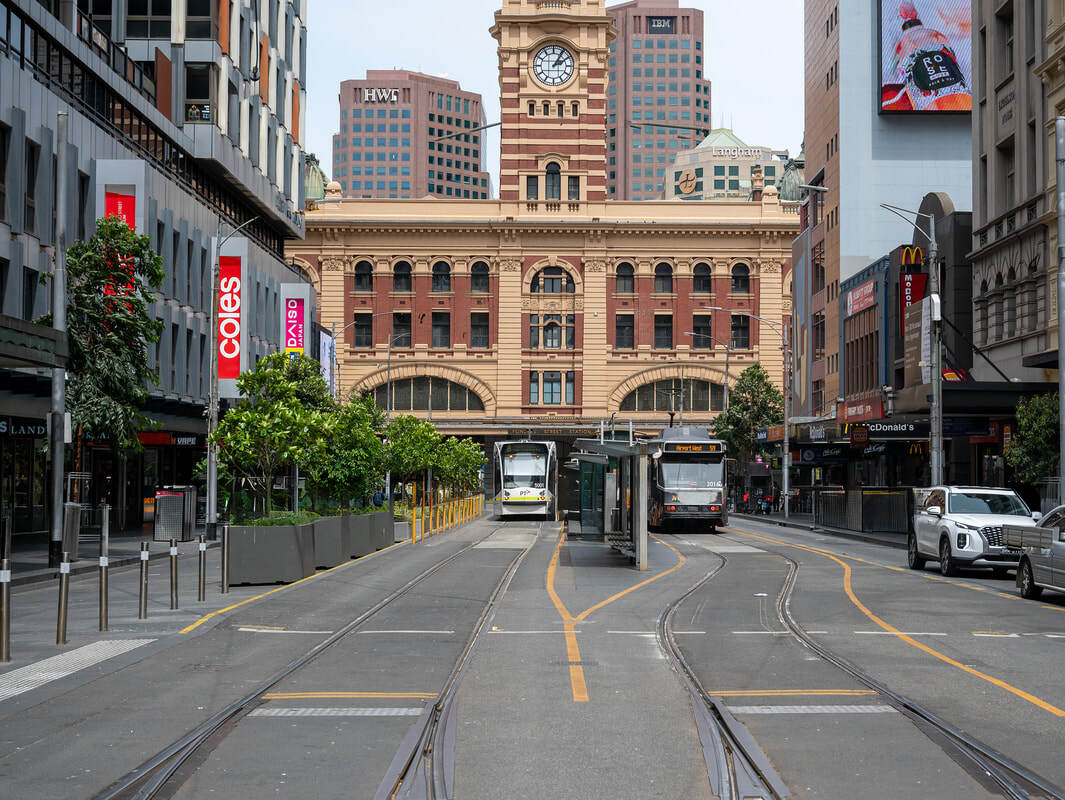
     ​Melbourne has long held the title of the live music capital of the world, thanks to its thriving scene, rich history, and cultural embrace of music. This reputation is not just a point of pride—it’s supported by statistics that highlight the significant role live music plays in Melbourne’s economy and community.

    Live Music vs. Sport Despite Australian Rules Football (AFL) being a cultural cornerstone in Victoria since its origins in the late 1850s, live music attracts more people to Melbourne than any sport. In 2017, live music events in Melbourne outdrew iconic sports events such as:

    • The AFL Grand Final and the entire AFL season.

    • The Spring Racing Carnival, A-League, and major cricket matches.

    • The Australian Grand Prix, basketball, and netball events combined.

    This shift demonstrates the power of live music as a unifying force in Melbourne’s identity.

    Economic Contributions The live music industry is a powerhouse for Victoria, significantly contributing to the local and state economies:

    • Live music adds $1.04 billion annually to Victoria’s economy.

    • Across Australia, the live music sector contributes $5.7 billion to the national economy.

    • Melbourne hosts an astonishing 62,000 live gigs annually, three times the national average for live performances.

    This robust ecosystem supports not only artists but also venue staP, production crews, and local businesses, making live music a vital part of Melbourne’s financial health.

    How Does It Compare to the AFL?

    While the AFL is a financial juggernaut, generating over $1.06 billion in revenue in 2023, live music has a broader cultural reach. Unlike sports, which revolve around seasonal schedules, live music oPers year-round engagement with diverse audiences. Victoria’s music scene benefits from this consistency, fostering deeper community connections and driving sustained economic activity. Growth of the Music Industry

    The growth of live music is mirrored by the overall music industry in Australia:

    • In 2023, the Australian recorded music industry posted its fifth consecutive year of growth, with wholesale sales rising 10.9% to a record $676 million, thanks to the rise of digital sales and streaming.

    • Victoria remains a hub for music creation and performance, hosting more live gigs per capita than any other state or territory in Australia.

    Why Melbourne Leads the Way:

    Melbourne’s live music dominance is no accident. Factors contributing to its success include:

    • A high density of venues, with one venue per 9,503 residents, far surpassing cities like London, New York, and Los Angeles.

    • A supportive culture for artists and music education, with institutions like Collarts fostering the next generation of talent.

    • Flexible licensing laws and a community that values creative expression.

    A Cultural and Economic Force:

    Melbourne’s live music scene is more than entertainment—it’s a defining feature of the city’s identity and a significant driver of its economy. By continually outdrawing even the most popular sports in attendance and economic impact, live music solidifies its role as Melbourne’s heartbeat, making it a beacon for music lovers worldwide.

    Whether it’s a small gig at a local pub or a packed house at an iconic venue like The Espy or Max Watts, Melbourne’s live music scene is an ever-growing testament to the city’s creativity and cultural vibrancy.
  • Published on

    My Best Live Music Venues in Melbourne, Victoria!

    Image description
     ​Melbourne’s live music scene is a treasure trove of vibrant performances and rich history, and the city is home to some of the most iconic venues in Australia. These spaces offer more than just a stage—they create unique atmospheres that contribute to the magic of live performances. Here are my top picks for the best live music venues in Melbourne, each with its own charm and significance.

    1. Corner Hotel – Richmond:

    A cornerstone of Melbourne’s music scene, the Corner Hotel in Richmond is an iconic venue that has hosted countless legendary acts. With its intimate indoor stage and a rooftop bar that provides stunning views of the city, the Corner caters to both music lovers and those looking for a great night out. The venue’s rich acoustics and welcoming vibe make it perfect for catching everything from local indie bands to international stars.

    2. Max Watts – Melbourne:

    Located in the heart of the city, Max Watts is a haven for fans of heavier and more energetic music genres. The standing-room-only setup ensures a close connection between the audience and the performers, creating an electrifying atmosphere. The sound system here is phenomenal, making every gig a sonic experience to remember.

    3. Stay Gold – Brunswick:

    Brunswick’s Stay Gold is a modern venue with an old-school vibe. Known for its punk, metal, and alternative shows, this space offers a laid-back yet highenergy environment. The venue’s focus on emerging artists and communitydriven events makes it a favourite for discovering new talent. Plus, its central location in Brunswick gives it a cool, urban feel.

    4. Northcote Social Club – Northcot:e

    Northcote Social Club is a staple for music fans seeking intimate performances. The cozy stage and excellent sound quality make every show feel like a private concert. Whether you’re seeing a stripped-down acoustic set or a high-energy band, the Northcote Social Club provides an up-close and personal experience that’s hard to beat. 5. The Espy – St Kilda

    The Esplanade Hotel, affectionately known as “The Espy,” is a legendary venue with over a century of live music history. Nestled in St Kilda, it boasts multiple stages and a relaxed, beachy vibe. From emerging artists to household names, The Espy continues to be a hub for all kinds of music genres. Its sprawling layout means there’s always something new to discover.

    6. Palais Theatre – St Kilda:

    For a more theatrical and grand setting, the Palais Theatre in St Kilda is unmatched. This historic venue combines stunning architecture with exceptional acoustics, making it ideal for larger acts and more polished performances. Attending a concert here is as much about the experience of the venue as it is the music.

    The Rich History of Live Music in Melbourne:

    Melbourne’s live music scene has a storied past, deeply intertwined with the city’s culture. From the rise of pub rock in the 1970s to today’s thriving independent scene, these venues have been at the heart of it all. Each space tells a story, contributing to Melbourne’s reputation as one of the world’s great music cities.

    For me, these venues are more than just places to photograph—they’re where music history is made, and the city’s creative spirit comes alive.
  • Published on

    Live Music – Melbourne!

    Image description
     ​Melbourne isn’t just a city with a thriving music scene—it’s officially the live music capital of the world. A recent census confirms that Melbourne surpasses global heavyweights like London, New York, and Los Angeles in live music venues per capita. This is a testament to the city’s rich cultural landscape and its passionate love for music.

    A City of Music:

    Melbourne is renowned not only for being the world’s most liveable city but also for its unparalleled dedication to live music. With one venue for every 9,503 residents, Melbourne outpaces London (1 per 34,350), New York (1 per 18,554), and Los Angeles (1 per 19,607) in terms of accessibility to live gigs. This abundance of venues ensures that Melburnians have countless opportunities to experience music in all its forms, from indie and rock to electronic and jazz.

    Live Music: A Bigger Draw Than Sport:

    In a city where Australian Rules Football reigns supreme on weekends, live music proves to be just as significant a cultural force. Melbourne’s live music scene attracts around 112,000 attendees each Saturday night—a figure comparable to the attendance of the AFL Grand Final. In fact, live music venues collectively outdraw major events like the AFL season, Spring Racing Carnival, and the A-League combined, showcasing the deep-rooted connection Melburnians have with music.

    Economic Impact:

    The live music industry is also a powerhouse for the local economy. In 2017, Melbourne’s live music venues generated a staggering $1.4 billion in revenue, representing a 16% increase from 2016. This growth reflects both the increasing number of gigs and the rising popularity of live music among audiences. Between 2012 and 2017, the number of gigs in Greater Melbourne surged by 20%, with 55% of venues reporting audience growth in just the past year. Educational Opportunities Driving Growth

    Melbourne’s music scene isn’t just thriving—it’s evolving. Institutions like Collarts, which offer specialized music and entertainment courses, are nurturing the next generation of artists, producers, and music industry professionals. With this academic support and the city’s reputation as a gigfriendly destination, Melbourne’s music scene is poised for even greater expansion.

    Why Melbourne is Gig-Friendly:

    Unlike Sydney, Melbourne has cultivated a reputation as a city that supports live music. With an abundance of venues, and a community that embraces creativity make it a haven for musicians and fans alike. Venues range from intimate spaces like the Northcote Social Club to grand landmarks like the Palais Theatre, each offering unique experiences that cater to all tastes.

    The Future of Live Music in Melbourne:

    Melbourne’s live music culture isn’t just a phase—it’s a deeply ingrained part of the city’s identity. With steady audience growth, increasing venue numbers, and continued economic contributions, Melbourne’s position as the global leader in live music is only set to strengthen. For residents and visitors alike, the city offers a vibrant tapestry of sound, creativity, and community that makes it a must-visit destination for any music lover.

    Whether it’s a packed gig at the Corner Hotel or a breezy performance by the beach at The Espy, Melbourne continues to prove that live music is at the heart of its cultural pulse.
  • Published on

    Gear for Live Music Photography: What’s in My Bag!

    Image description
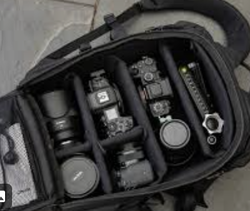
    : ​For live music photography, having the right gear can make all the difference. After plenty of trial and error, I’ve found my ideal setup that lets me capture the atmosphere, energy, and moments of a live gig with precision and detail. Here’s a peek into my camera bag and why each piece is essential for my work.

    Nikon Z6ii: The Perfect Body for Low-Light Performance:

    My primary camera body is the Nikon Z6ii. This mirrorless camera has outstanding low-light performance, which is essential for concert photography. Concert venues often have unpredictable lighting, ranging from dimly lit stages to intense spotlight moments, and the Z6ii handles it all beautifully. With its impressive ISO range and minimal noise at high settings, I can capture clear, detailed shots even in the darkest corners of a venue.

    One of the reasons I opted for a mirrorless model is its compact, lightweight body, which makes it easy to maneuver without drawing attention to myself. The Z6ii’s fast autofocus also allows me to lock onto moving subjects, which is invaluable when shooting active performances where every second counts.

    Nikkor 24-70mm f/2.8 Lens: Versatile and Reliable

    Attached to my Z6ii is the Nikkor 24-70mm f/2.8 lens, my go-to lens for most gigs. This lens strikes a perfect balance between wide-angle and close-up capabilities, allowing me to capture both sweeping shots of the entire stage and intimate portraits of individual performers. The 24-70mm focal range is ideal for a variety of compositions, whether I’m in a small venue or a large one, and it means I don’t need to switch lenses frequently.

    The f/2.8 aperture also performs well in low light, letting me keep the ISO relatively low and still achieve sharp, bright images without the need for flash. This setup not only helps maintain the natural ambiance of the performance but also respects the atmosphere, allowing both the audience and artists to stay immersed in the music. Loop Earplugs: Essential Ear Protection

    Concert photographers are exposed to high volumes night after night, and ear protection is crucial. For me, Loop earplugs are an essential item in my bag. They’re designed for concert-quality sound, which means I can still hear the music clearly, just at a safer volume. What I love about the Loop earplugs is that they reduce the noise without muffling or distorting the music, preserving the audio experience while safeguarding my hearing.

    Loop earplugs are also reusable and comfortable to wear for long periods, which is perfect for back-to-back gigs. In a profession where I’m often standing close to the speakers, I consider these earplugs just as essential as my camera itself.

    Other Essentials: Batteries, Memory Cards, and Cleaning Tools:

    My camera bag also includes a few staples that keep me prepared for anything. Spare batteries are a must; there’s nothing worse than running out of juice in the middle of an incredible set. I also carry multiple memory cards, so I can shoot without worrying about running out of storage. Finally, a small cleaning kitlens wipes, a microfiber cloth, and an air blower—helps keep my gear in top shape. Concert venues can be dusty, and it’s essential to keep lenses and sensors clean to avoid spots on images.

    Summing Up:

    With my Nikon Z6ii, Nikkor 24-70mm lens, and trusty Loop earplugs, I’m equipped to capture all the raw, authentic moments that make live music photography so compelling. This setup allows me to work confidently in any venue, with protection for both my equipment and my hearing. Together, these tools help me bring the energy and essence of every gig to life in a single frame
  • Published on

    Where You Are Now!

    Image description
     ​In the ever-evolving world of music photography, my passion remains deeply rooted in capturing the essence of live performances. What drives me today is the love of live music and the quest for that one perfect shot—the image that conveys the atmosphere of the gig so clearly that, with a glance, someone can feel as though they were there, caught up in the energy of the crowd. It's more than just photography to me; it's about storytelling through images, giving people a window into a world that they may have missed or preserving the memories of a night they'll never forget.

    Over the years, my approach to music photography has grown and adapted, but this central motivation has remained constant. Early on, I was still finding my style, moving from being a point-and-shoot photographer to someone who actively seeks out moments where the light, the movement, and the emotion all come together. Today, that search is what keeps me excited for every new gig, constantly striving to improve my craft and capture something unique each time.

    When it comes to selecting which gigs to shoot, I have a specific approach. Instead of focusing solely on bands or artists, I often start by identifying the venues. The venues are critical because they often dictate the atmosphere and lighting setup, both of which are essential elements in live music photography. Once I know which venues I want to shoot at, I check their schedules to see what gigs are coming up on specific days. This method allows me to balance my availability while ensuring I shoot in environments that offer great potential for the type of photography I love.

    Recently, I’ve been fortunate to land several exciting gigs that mark important milestones in my journey. One of the most significant upcoming events is photographing Things of Stone & Wood on Melbourne Cup Day. It's a huge opportunity to capture the energy of this iconic Australian folk-rock band, and I’m eager to see how the performance unfolds through my lens. I’ve also been booked for Murray Cook's Soul Movers at the Northcote Social Club, which adds a different favourite to my portfolio. The Northcote Social Club is a venue I’ve shot at before, and it has a great intimate vibe, perfect for capturing both close-up emotional moments and wide crowd shots. I'm looking forward to showcasing the energy and vibrancy that Murray Cook, famously known for his time in The Wiggles, brings to the stage with his current band.

    Another exciting project is a music festival at the Corner Hotel. Festivals always offer a unique challenge—multiple bands, quick set changes, and diverse lighting setups—making it an excellent opportunity to sharpen my skills and capture a variety of performances. The Corner Hotel is a venue I have a lot of history with, and its dynamic atmosphere will provide plenty of chances to get some truly memorable shots.

    Perhaps the gig I’m most excited about is the upcoming Sisters Doll show at Max Watts. Sisters Doll are a band I’ve followed and shot for a while now, and their energetic performances always result in some of my favorite photos. Capturing their journey and growth as a band has been a rewarding experience, and this gig promises to be one of their biggest yet.

    These bookings reflect the trust I’ve built with bands and venues over time and symbolize the progression of my work from an aspiring photographer to a professional actively sought after for major events. Each new project brings its own challenges and learning experiences, pushing me to keep growing both artistically and professionally.

    In the end, it all comes back to that moment when I press the shutter and know I’ve captured something special—a moment in time that embodies the sound, the mood, and the magic of live music. That’s what keeps me going and what I look forward to with every gig I shoot.
  • Published on

    How to Be a Fly on the Wall: Capturing Authentic Concert Moments Without Being Seen!

    Image description
     ​When shooting live music, the best shots often come from the moments that feel most raw and authentic—those split seconds when the performers are entirely lost in their music, and the crowd is fully immersed in the atmosphere. As a photographer, being able to blend into the crowd and capture those moments without disrupting the energy of the event is a skill in itself. Here are some tips on how to be a fly on the wall at concerts and capture those genuine, impactful shots.

    1. Dress the Part

    One of the easiest ways to stay invisible is to dress like a roadie or a member of the crew. Stick to black clothing and comfortable, dark-coloured shoes. Black absorbs light and makes you less noticeable, especially in dimly lit venues. Avoid flashy accessories or anything that could draw attention.

    2. Move with Purpose

    The less you move, the less you'll be noticed, but that doesn’t mean you should be stationary the whole time. When you do need to move, do it with intention. Find opportune moments, like between songs or when the audience is especially loud, to reposition yourself. Move through the crowd quietly and efficiently, keeping a low profile.

    3. Master Your Gear

    Fumbling with your gear is a surefire way to get noticed. Before the show starts, make sure you're completely familiar with your equipment. Know how to adjust your camera settings quickly and quietly, so you're not constantly adjusting in the middle of a performance. If you're using a zoom lens, make sure you can smoothly zoom in and out without jerky movements.

    4. Respect the Audience’s Space

    The audience is just as important as the performers in creating the live music experience. Don’t obstruct anyone's view, and be mindful of where you're standing. Respect the vibe of the venue—sometimes, the best way to get an authentic shot is to stay in the background and let the scene unfold naturally. 5. Anticipate Moments

    With practice, you'll learn to anticipate key moments in performances, like a guitarist's solo or a drummer's powerful hit. By knowing the music or getting a feel for the band's style, you can be ready to capture these moments without needing to rush or move at the last second.

    6. Stay in the Shadows

    Staying out of the spotlight is crucial. Position yourself in areas of the venue where you're less likely to draw attention, like along the sides of the stage or in darker corners. The goal is to observe and capture the action without being the action. The less you're noticed, the more candid your shots will be.

    7. Be Patient

    Being discreet means not always snapping away at every opportunity. Sometimes, you’ll need to wait for the right shot, staying perfectly still until that authentic moment happens. Patience can lead to some of your most powerful and unexpected images.

    Final Thoughts:

    Blending into the crowd isn't just about going unnoticed—it's about respecting the performers and the audience while capturing the essence of a live concert. With the right approach and a bit of practice, you'll learn how to shoot invisibly and, in turn, create images that feel more intimate and authentic.